
Heritage Village
One‑Room School
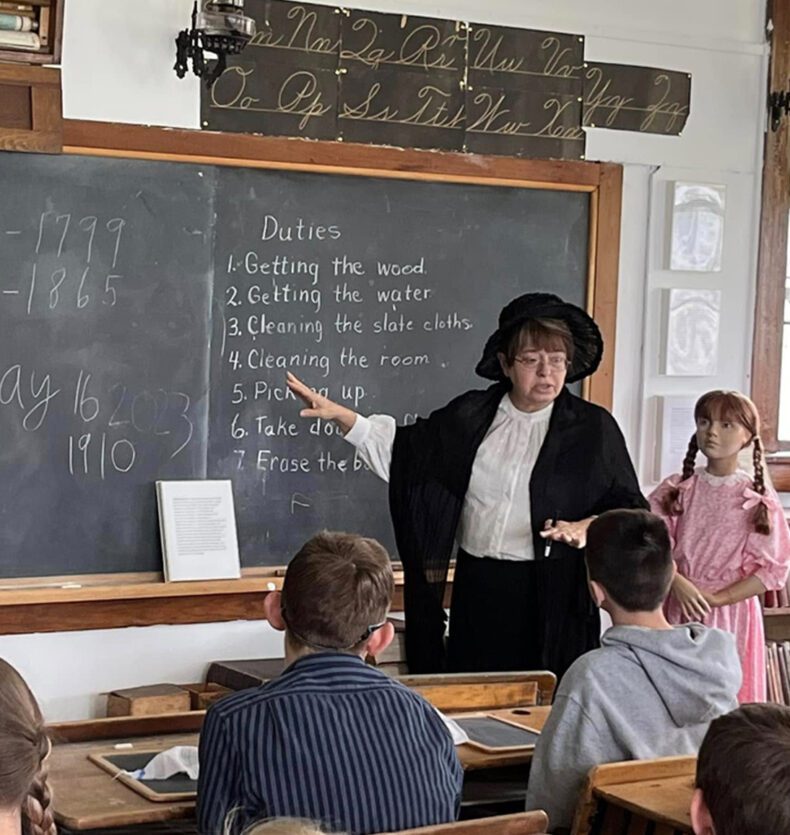
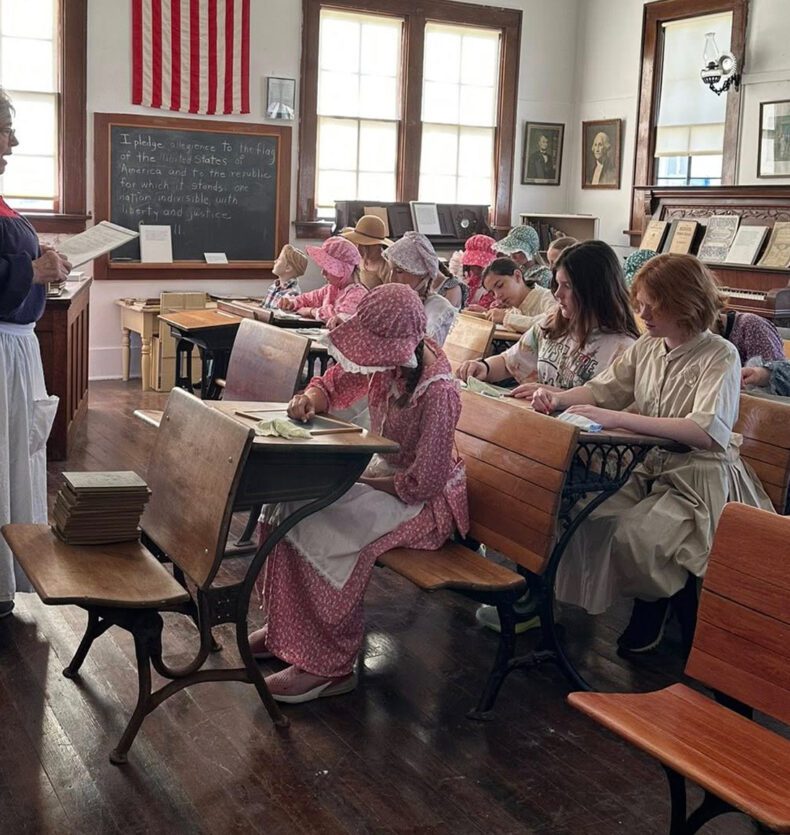
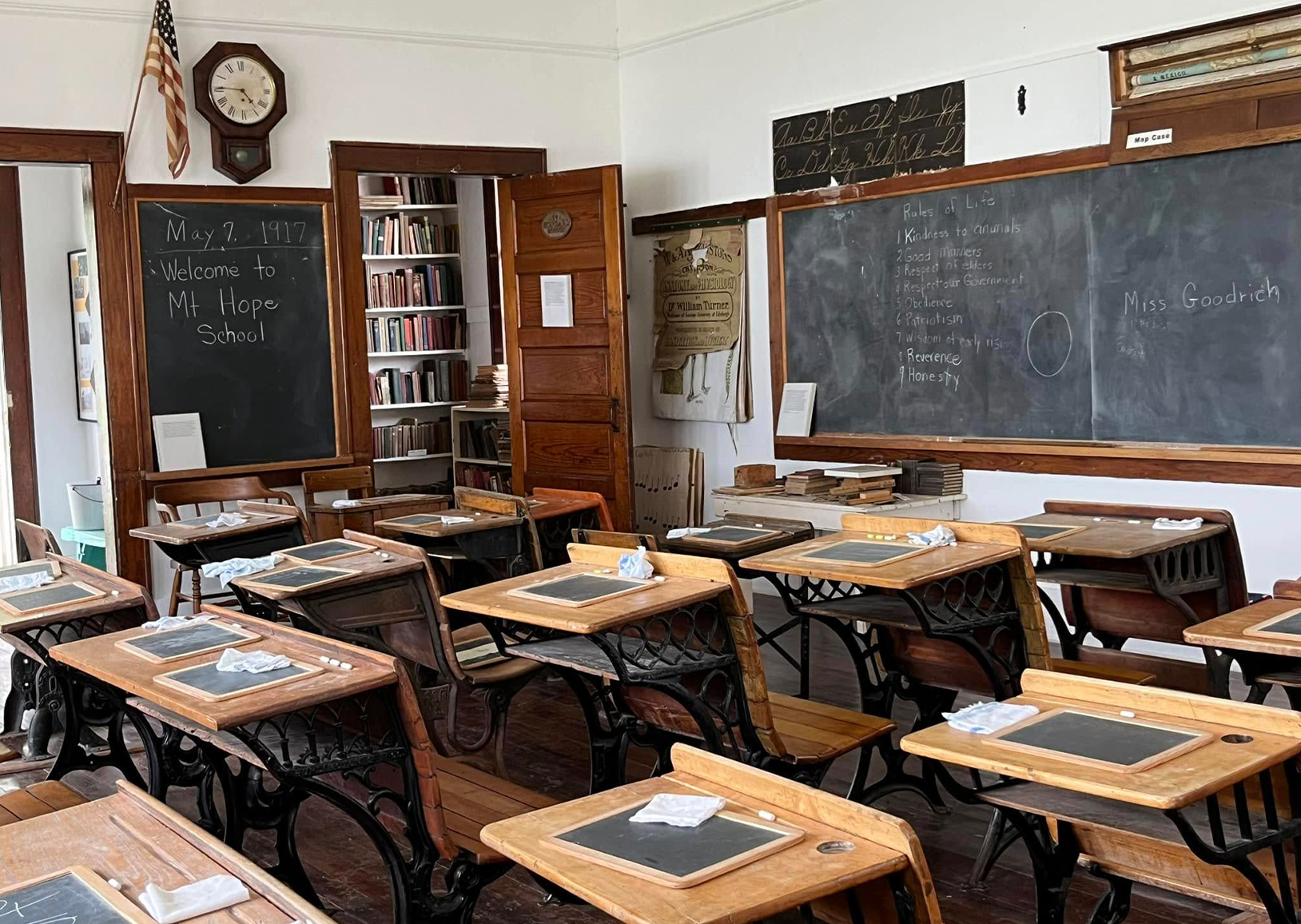
The one‑room school stands at the heart of the village, a simple wooden structure with tall windows and a bell tower perched above the entrance. Inside, rows of wooden desks face a slate chalkboard. A potbelly stove sits in the corner, once the only source of heat during Iowa winters. Students of all ages would have gathered here, learning reading, arithmetic, penmanship, and moral lessons under the guidance of a single teacher.
General Store
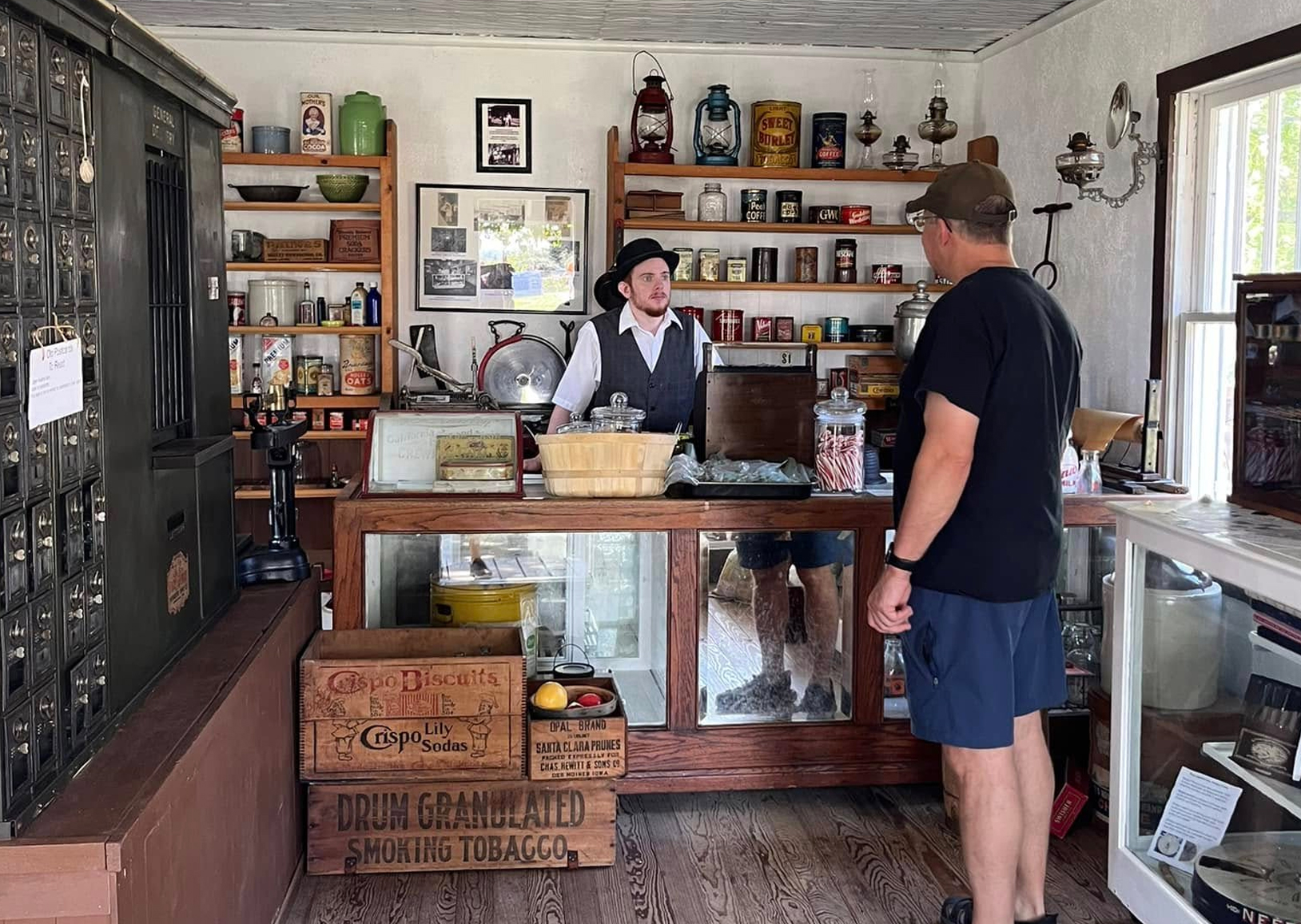
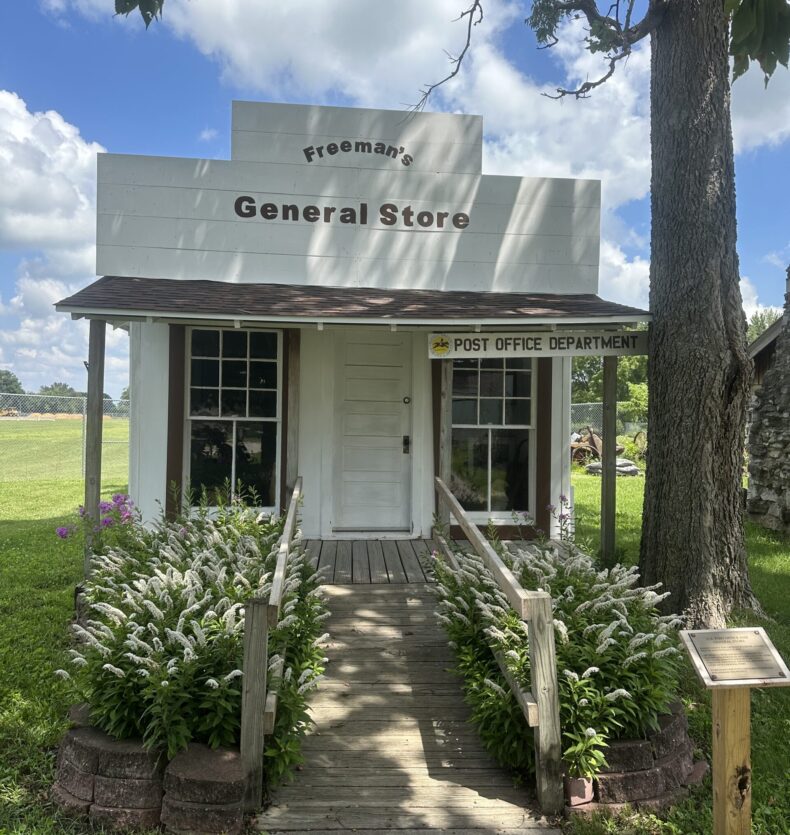
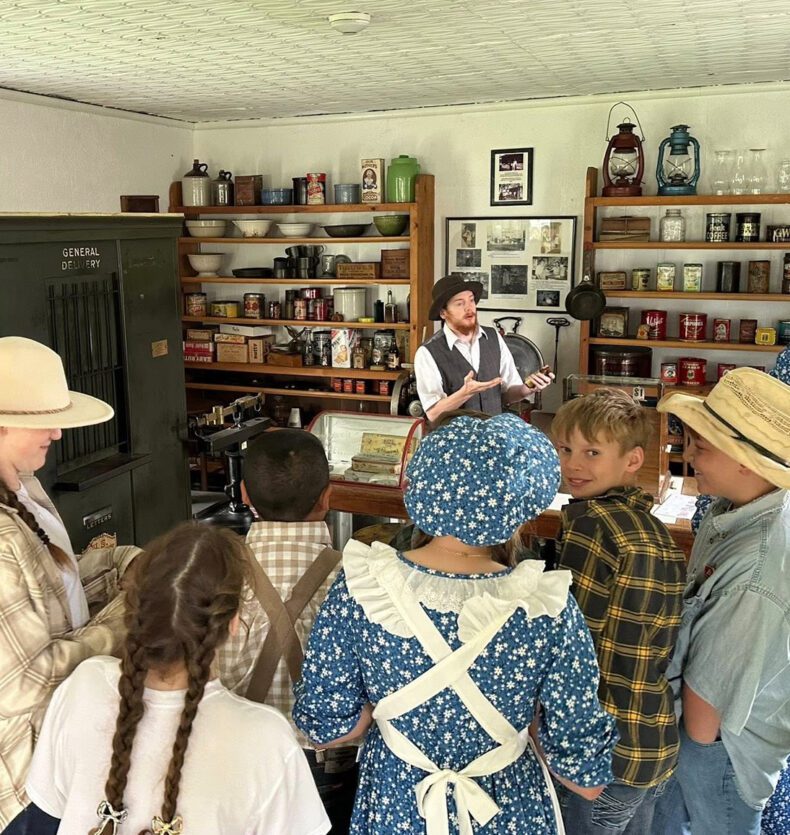
The general store is stocked floor to ceiling with dry goods, tools, bolts of fabric, penny candy, and farming essentials. A long wooden counter displays scales, tins, and a hand‑cranked cash register. This was the social hub of the community — a place to trade news, pick up mail, and purchase everything from lamp oil to licorice.
Log Cabin
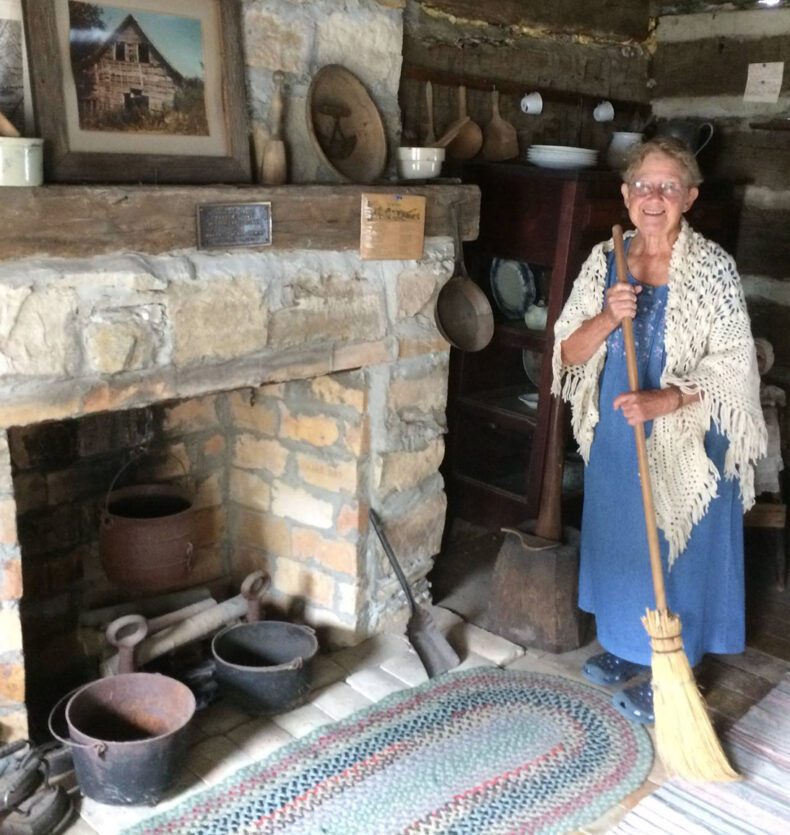
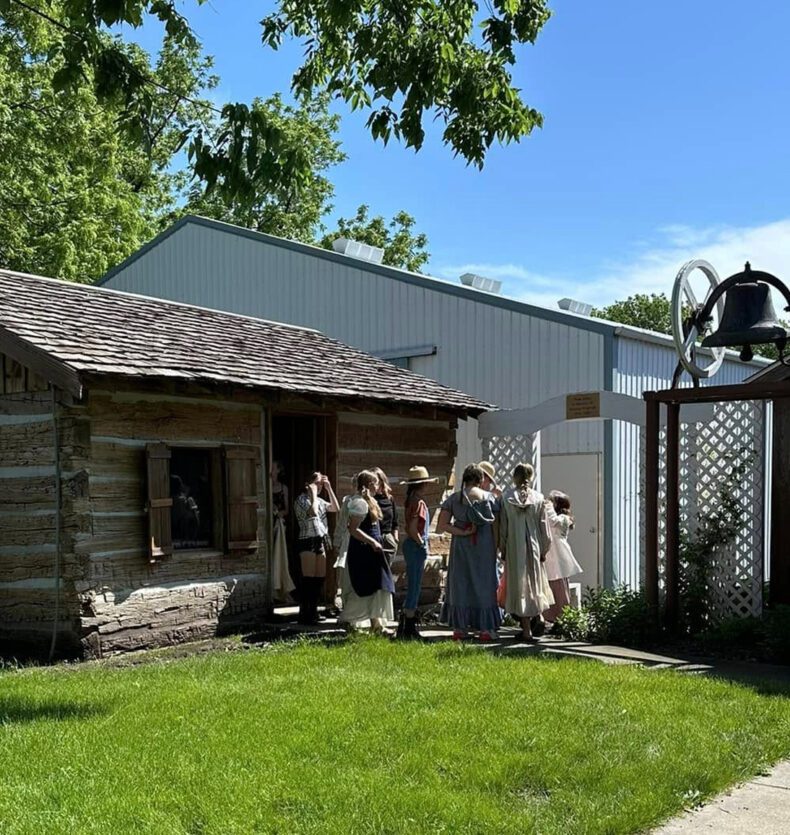
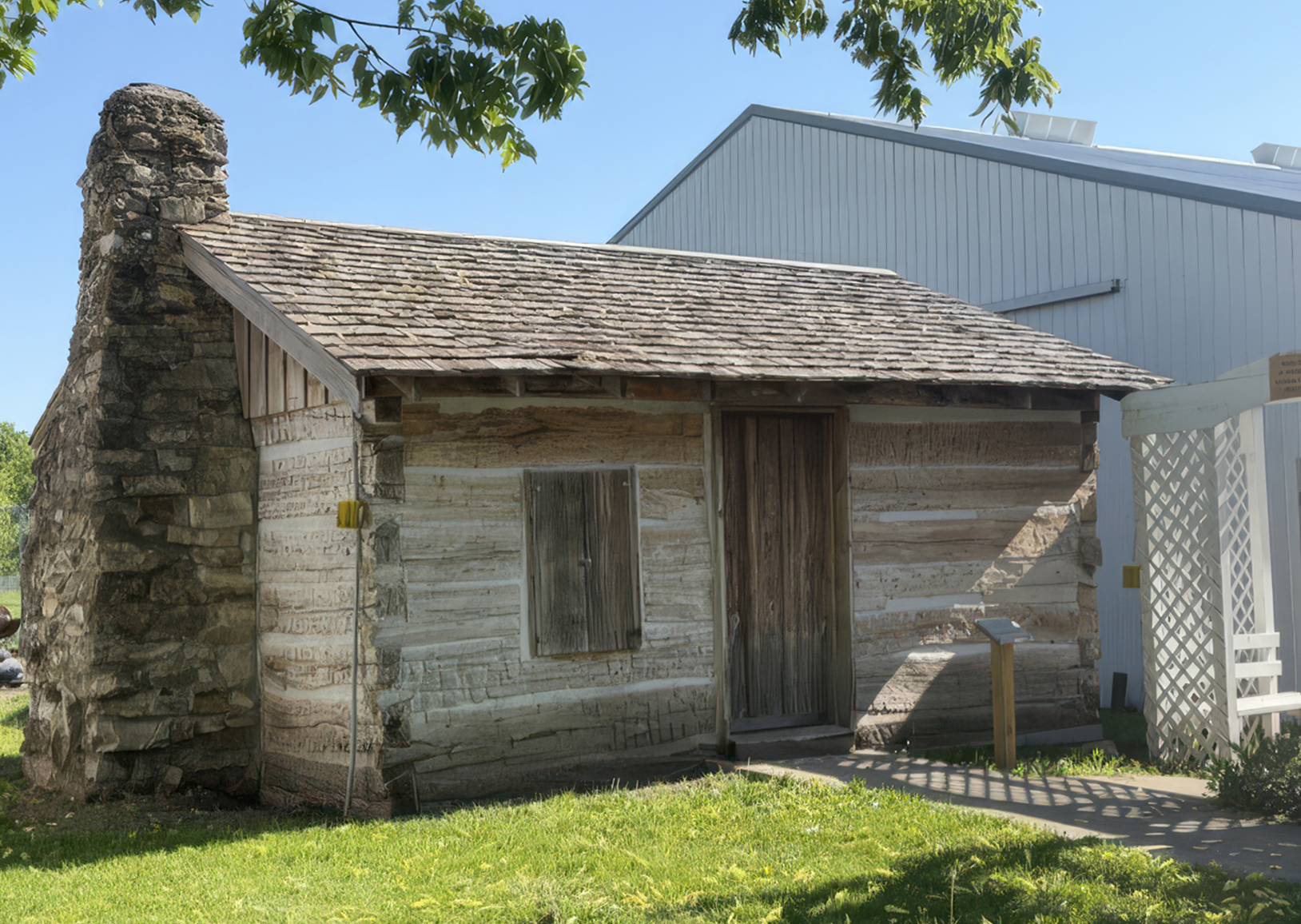
The log cabin represents the earliest settler homes: hand‑hewn logs, chinking between the seams, and a stone hearth that served as both kitchen and heater. Inside, visitors find rope beds, a simple table, cast‑iron cookware, and handmade tools — a testament to the resourcefulness of pioneer families.
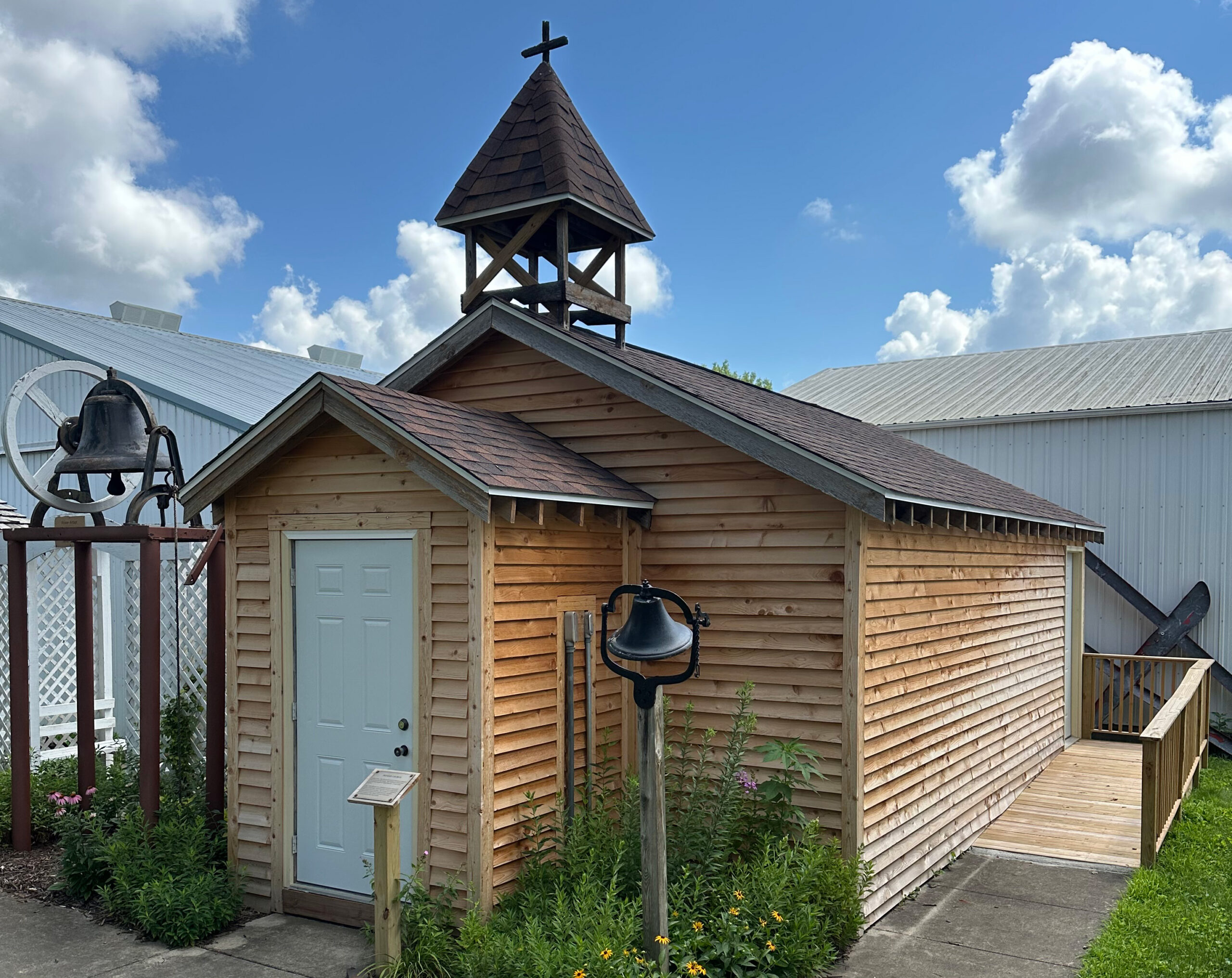
Pioneer Church
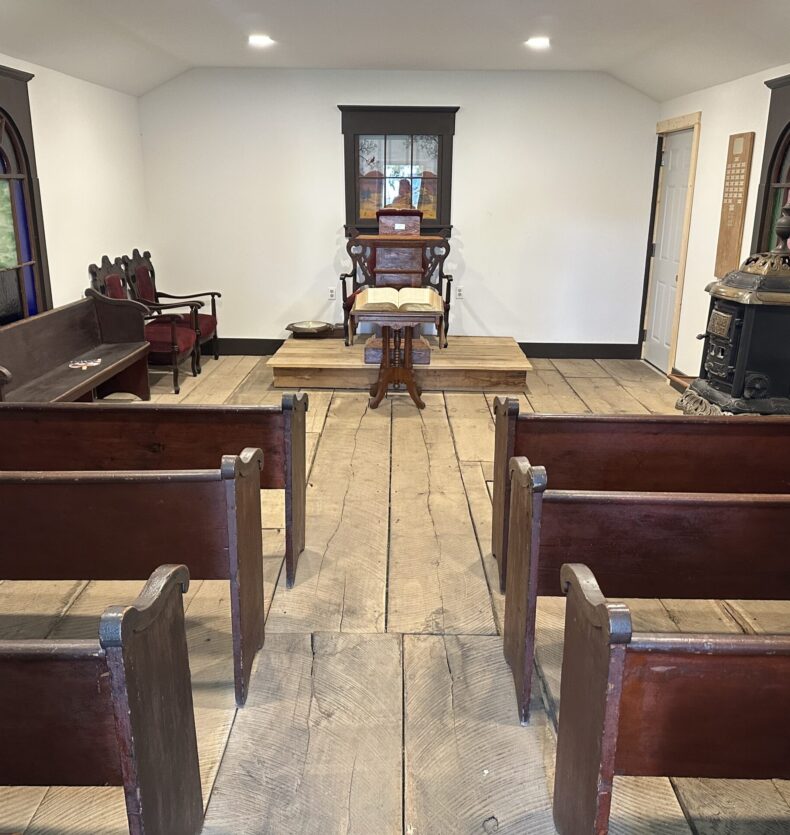
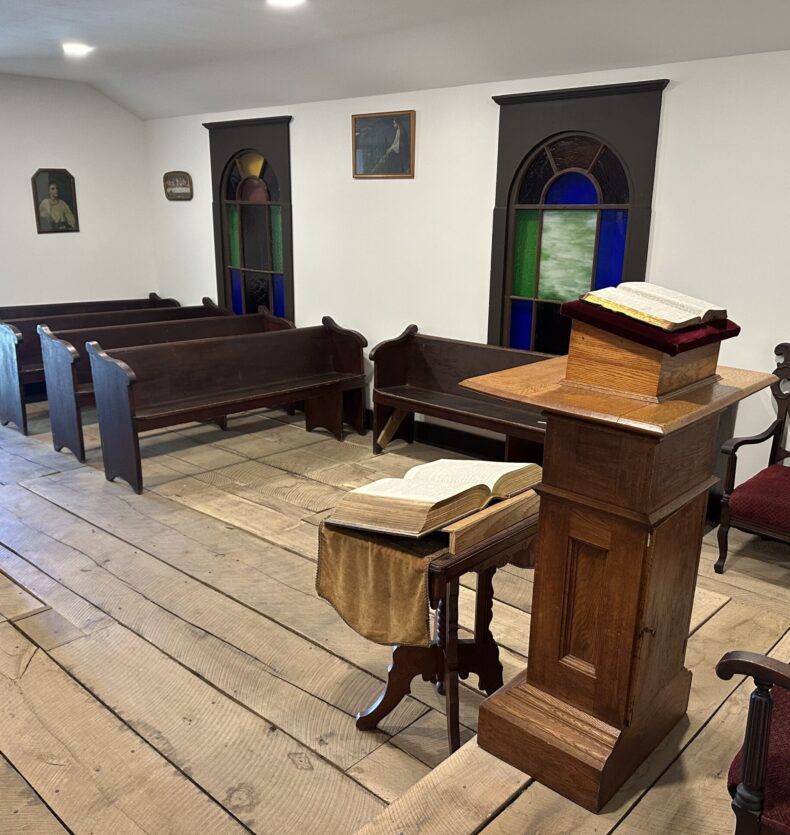
The pioneer church nestled withing Heritage Village reflects the simple architecture and steadfast values of early rural Warren County congregations. Inside, hymnals, Bibles, communion pieces, and other artifacts offer a quiet glimpse into the spiritual life of the county’s earliest settlers.
Meeting House
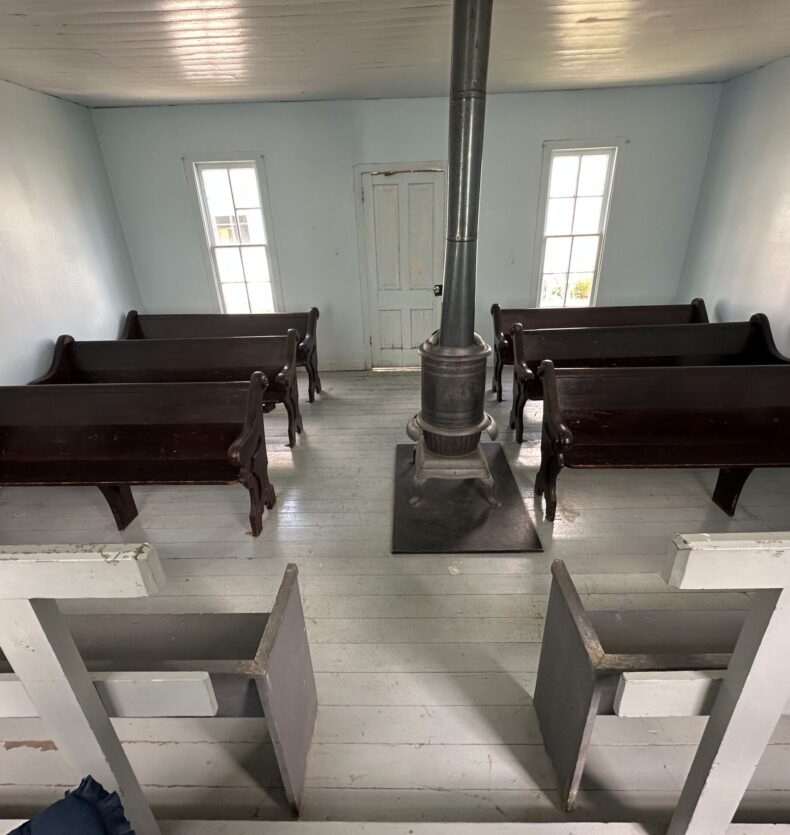
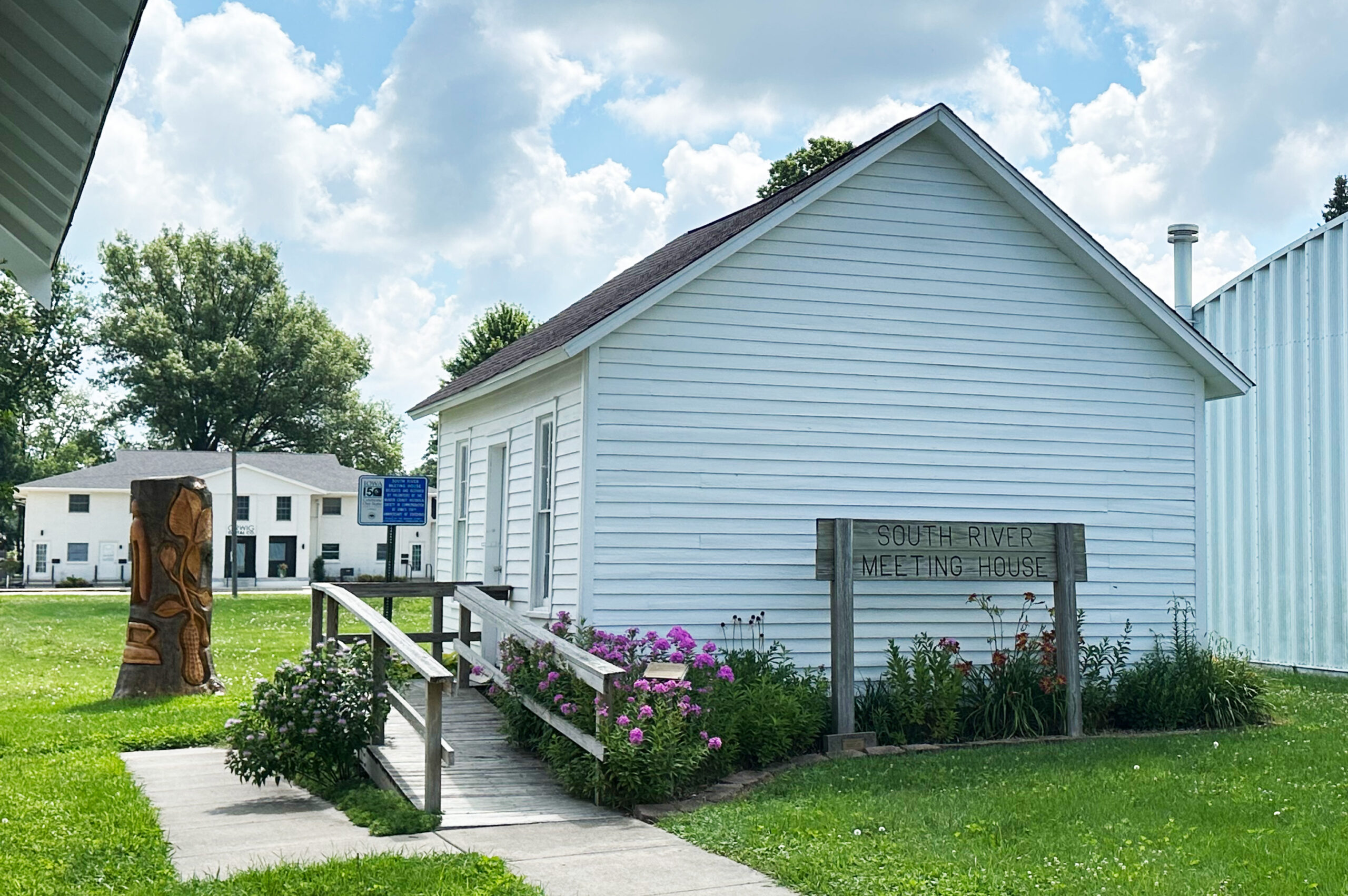
The Quaker meeting house reveals the plain design and enduring principles of the Society of Friends who settled early in the region. Within its unadorned walls, simple benches and an open gathering space recall a tradition of worship rooted in silence, reflection, and the shared search for spiritual truth.
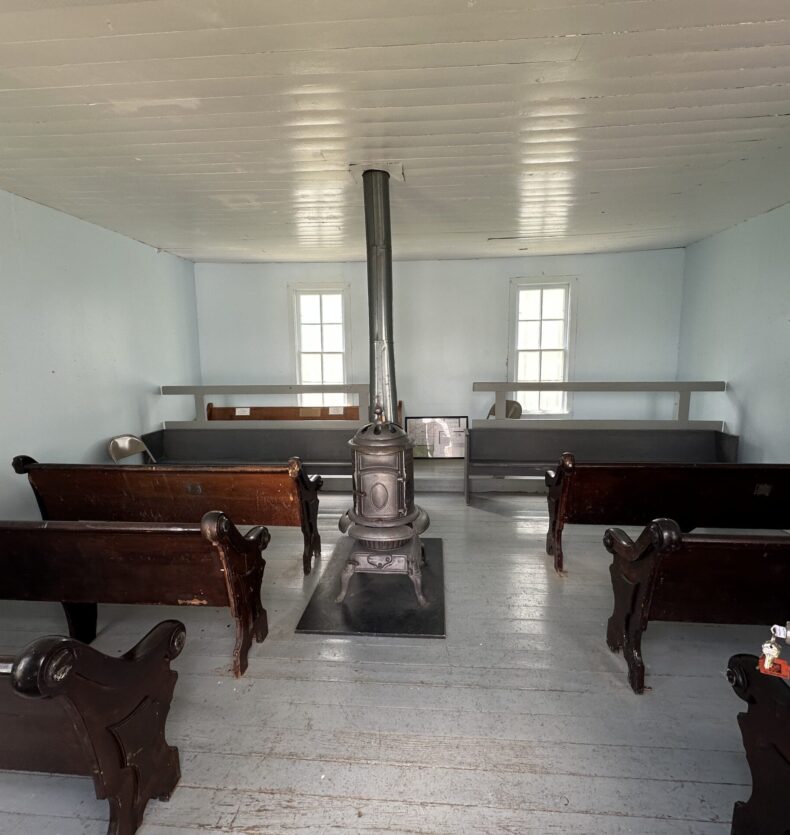
Machine Shed
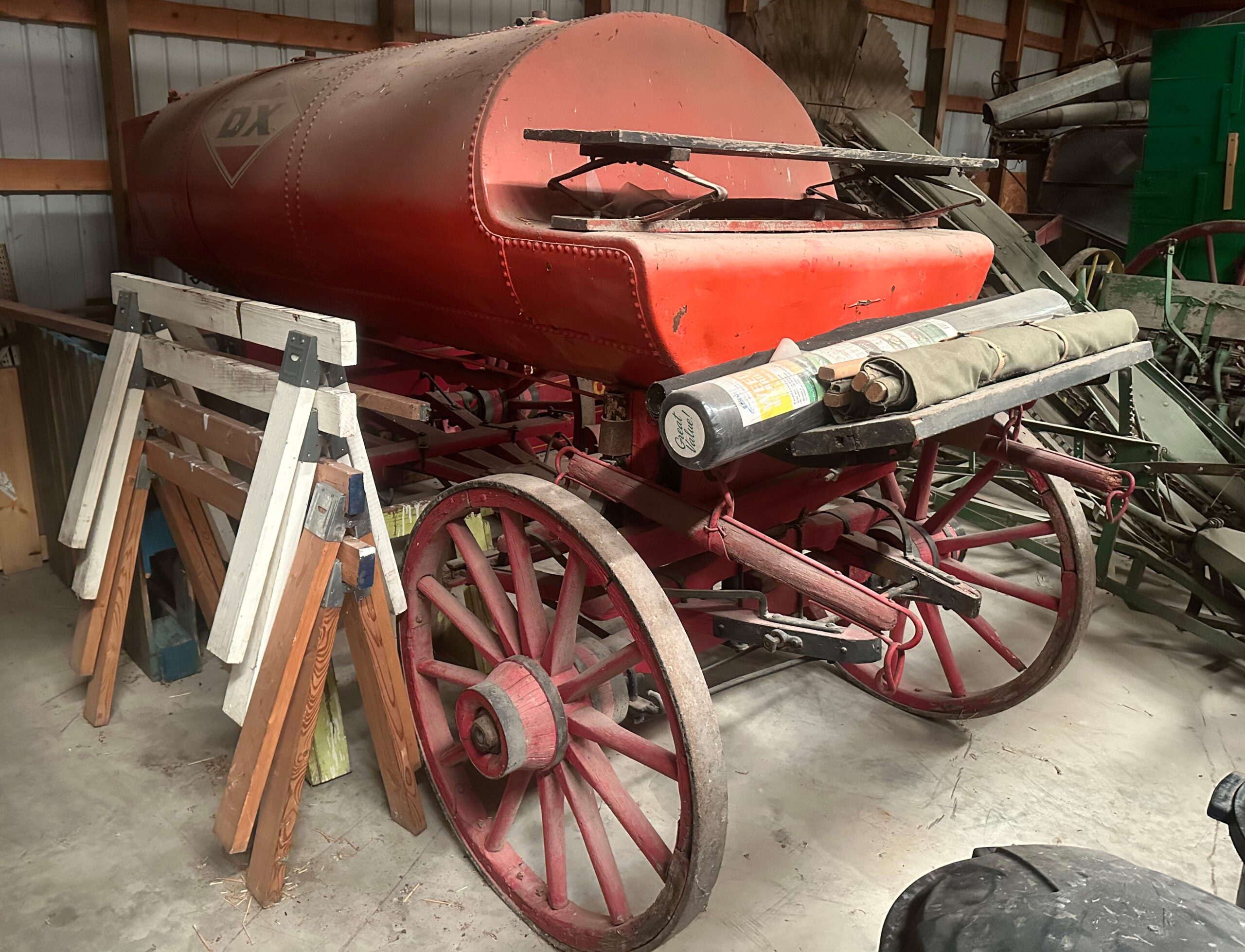
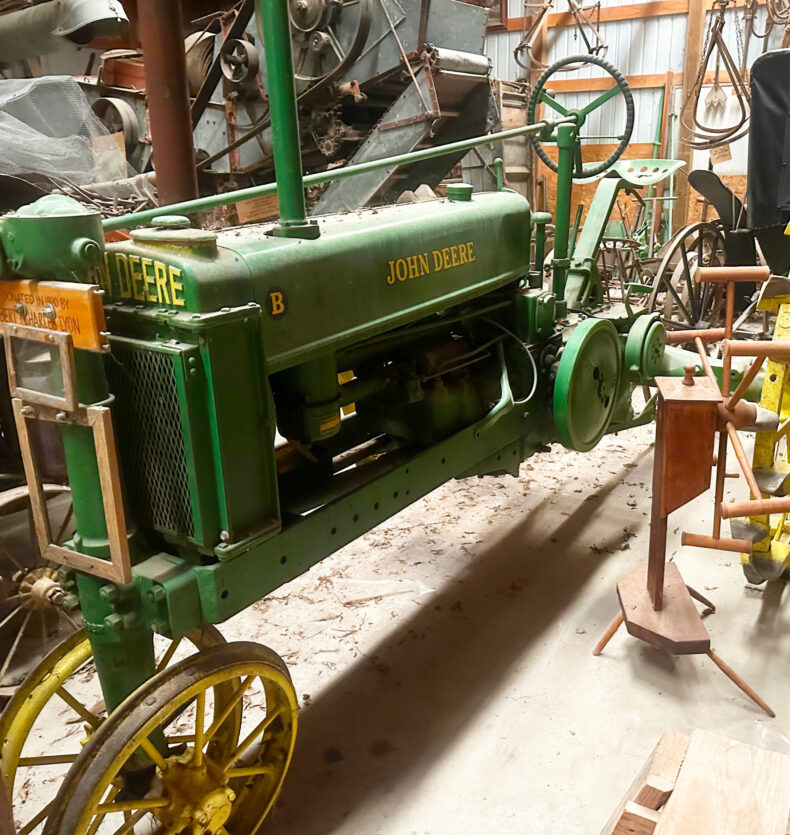
The machine shed houses an impressive collection of early farm equipment: horse‑drawn plows, threshers, seeders. Each machine transformed farm labor, increasing productivity and shaping the agricultural landscape of the Midwest.
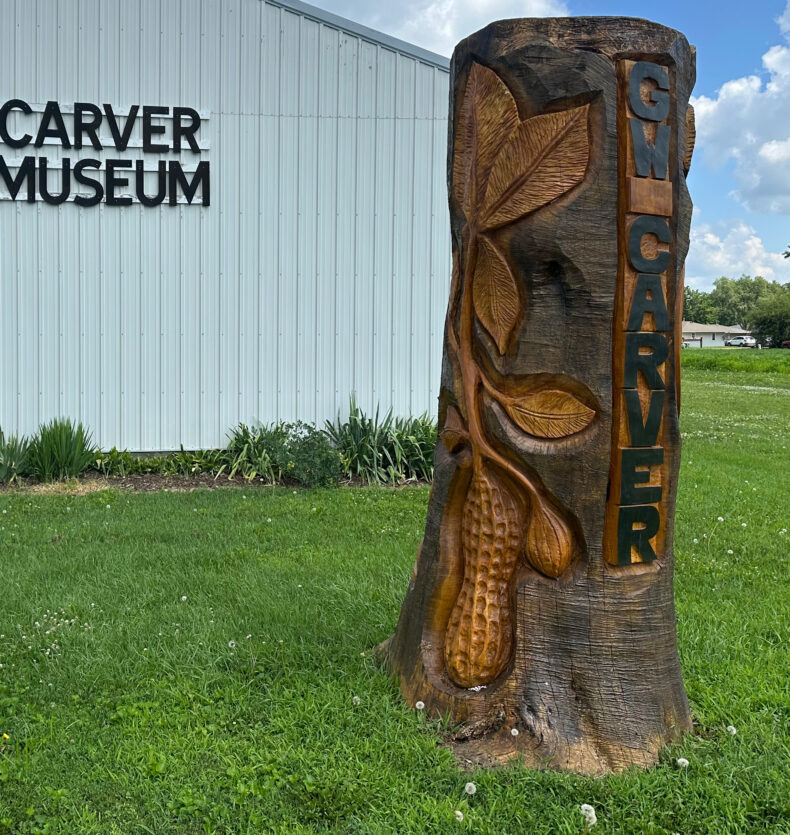
George Washington Carver Museum
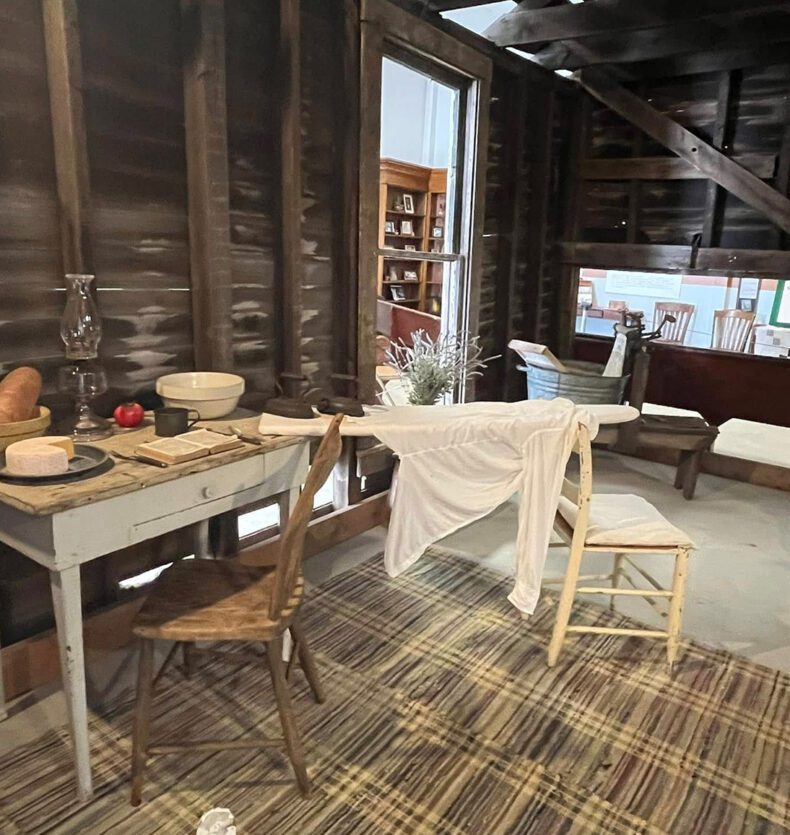
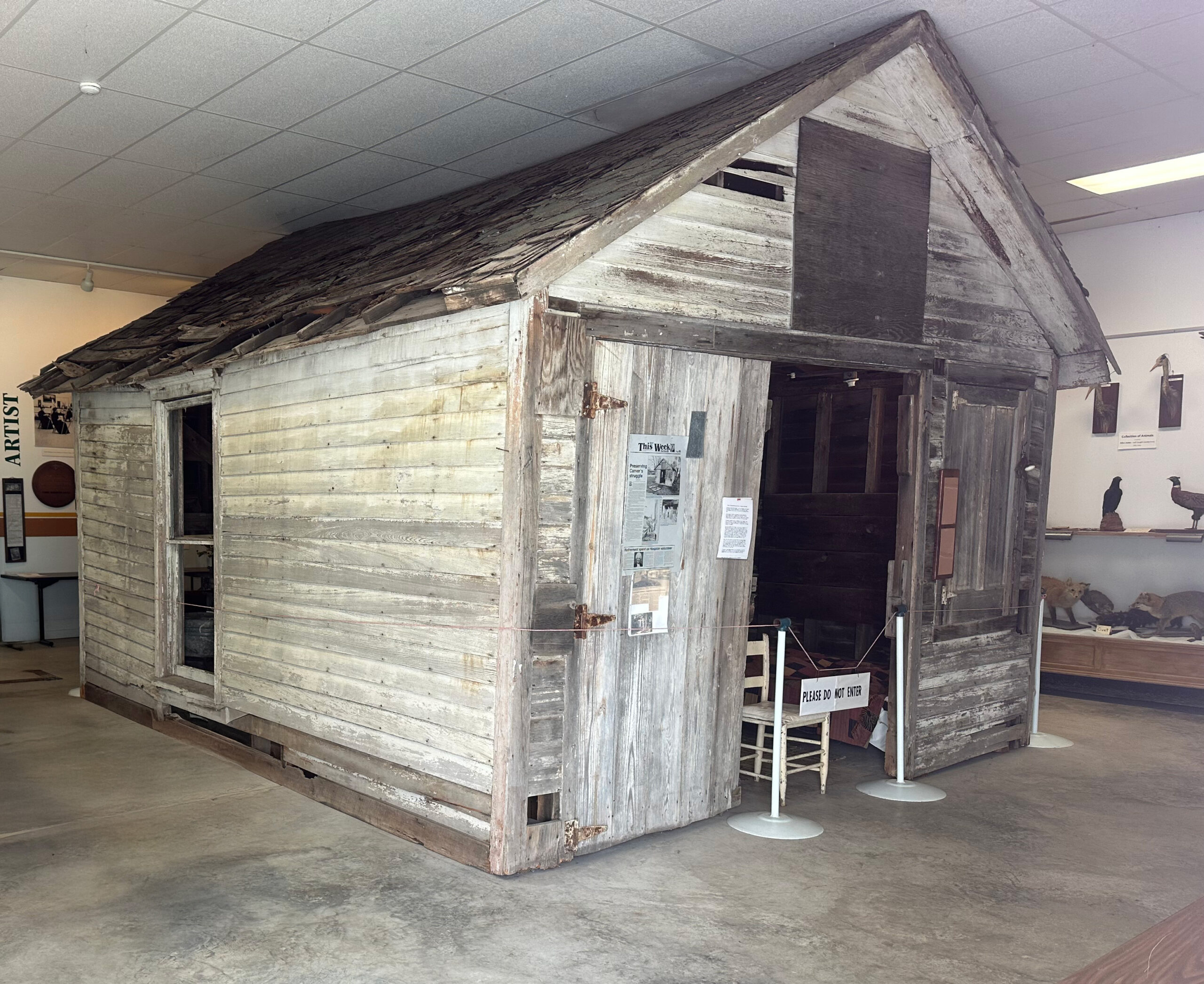
George Washington Carver attended Simpson College from 1890-1891. Our museum is built around the dwelling where he lived. Surrounding exhibits highlight the life of this scientist and innovator who integrated faith, education, and intellect towards improving the lives of others.